



confined space mixer drum cleaning OSHA
OSHA Confined-Space Risks in Mixer Drum Cleaning — And How Long Island Plants Are Avoiding Them
Confined Space Mixer Drum Cleaning Under OSHA Rules
For safety and operations managers at ready-mix plants, confined space mixer drum cleaning under OSHA rules isn’t an abstract compliance topic — it’s a daily operational reality every time a worker climbs inside a mixer drum with a jackhammer or chisel. A mixer drum meets OSHA’s definition of a confined space: limited entry and exit, not designed for continuous occupancy, and with a real potential for hazardous atmosphere or entrapment. That classification brings a specific set of legal obligations most fleets underestimate until an incident — or an audit — forces the issue. This matters directly for plants across Nassau and Suffolk County running multiple trucks, because manual drum cleaning is still the default method at most operations, and every cleaning cycle is another confined-space entry event.
Why Mixer Drums Qualify as Confined Spaces
Under OSHA’s general industry standard for confined spaces, a space qualifies if it meets three conditions: it’s large enough for a worker to enter and perform work, it has limited means of entry or exit, and it’s not designed for continuous human occupancy. A mixer drum checks all three boxes. That means manual cleaning inside a drum falls under confined-space entry requirements — training, atmospheric testing where applicable, entry permits, and attendant procedures, depending on how the space is classified. For a plant running regular manual drum cleaning, this isn’t a one-time compliance box to check. It’s a recurring procedural burden every single time a drum needs cleaning — which, for an active fleet, can be frequent.
The Real Risks of Confined-Space Drum Entry
Beyond the paperwork and procedural requirements, there’s the actual physical risk to the worker inside the drum:
- Limited visibility and mobility inside a curved, enclosed space
- Physical strain from operating a jackhammer or chisel in an awkward position for extended periods
- Entrapment risk if equipment or debris shifts during cleaning
- Dust and particulate exposure from concrete chipping in an enclosed space
- Injury from tool use in close quarters with limited room to maneuver
None of these risks are hypothetical — they’re the reason OSHA treats confined-space work as a distinct hazard category requiring its own procedures in the first place.
How a Robotic System Removes the Confined-Space Element Entirely
The most direct way to reduce confined-space exposure in drum cleaning isn’t better procedures for entering the drum — it’s not entering the drum at all. Robotic mixer drum cleaning systems use high-pressure water blasting, controlled remotely by an operator who stays completely outside the drum for the entire cleaning cycle. This changes the compliance picture significantly:
- No worker enters the confined space, which removes the entry permit and attendant requirements tied to that specific task
- No atmospheric monitoring needed for the cleaning process itself, since no one is inside
- Consistent, repeatable process that doesn’t depend on an individual worker’s technique inside a hazardous space
- Reduced training burden specific to confined-space entry procedures for this task
For a Long Island fleet or plant safety manager, that’s not just a safety improvement — it’s a meaningful reduction in ongoing compliance overhead tied to one specific, recurring task.
What This Means for Fleet Safety Programs
Safety managers evaluating their confined-space program should look specifically at how often mixer drum cleaning drives confined-space entries, since it’s often one of the more frequent — and more avoidable — sources of that exposure across a ready-mix operation. Reducing or eliminating it through equipment change, rather than through additional procedure layers, tends to be the more durable fix. This is also a genuine talking point in fleet safety reviews and insurance conversations: demonstrating that a specific, recurring confined-space task has been engineered out of the workflow — rather than just proceduralized — carries real weight.
Making the Shift to Robotic Cleaning
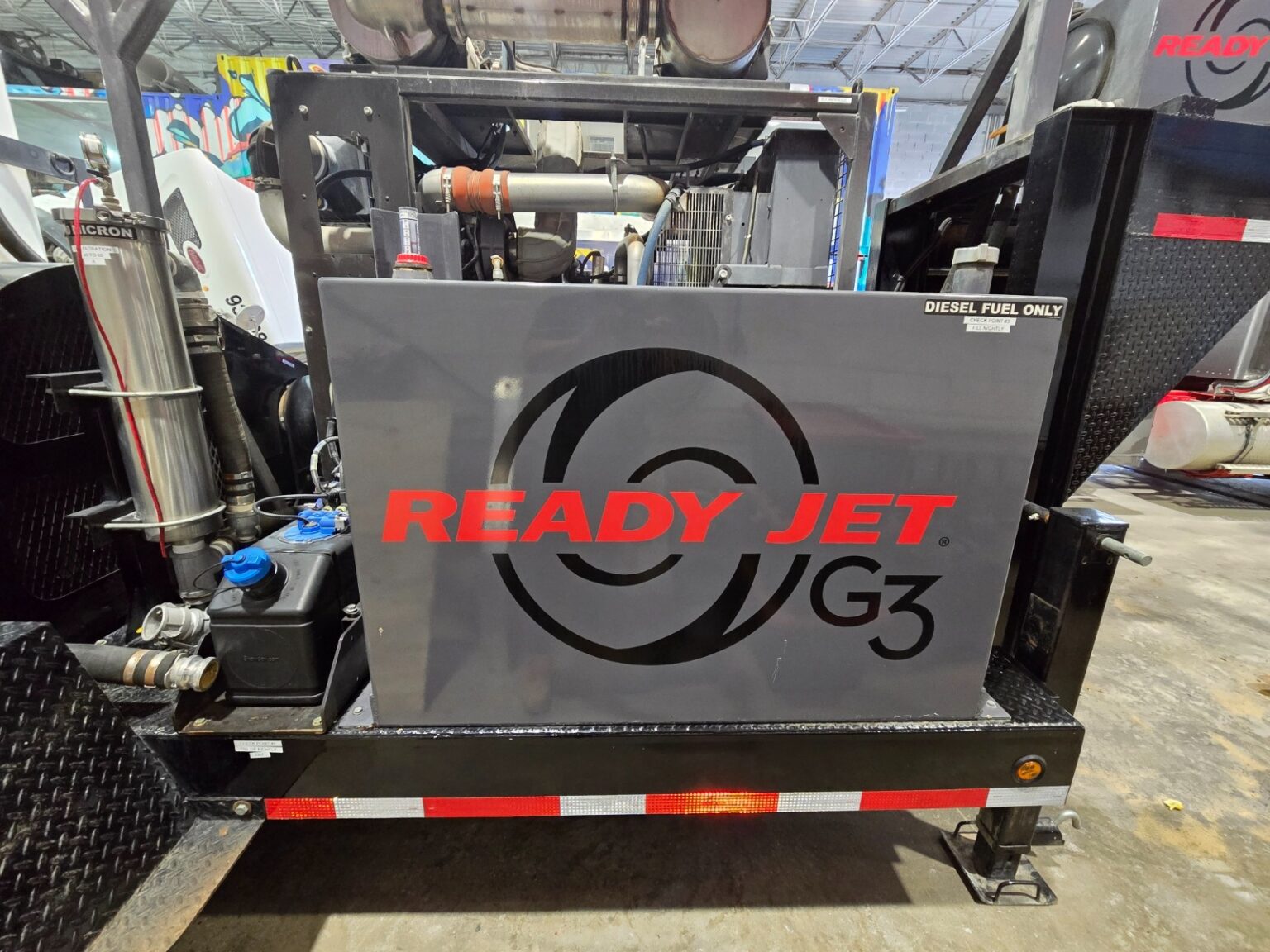
For plants and fleets across Long Island looking to reduce confined-space exposure tied to drum maintenance, a robotic hydrodemolition system is the direct fix. A well-maintained used unit can make that transition financially realistic without the cost or wait of a new build — see our full comparison in robotic vs. manual mixer drum cleaning for a closer look at how the two methods stack up. The 2021 ReadyJet G3 currently for sale is a fully operational robotic system with only 412 operating hours, ready to remove one of the more frequent sources of confined-space exposure from your fleet’s maintenance routine. For specifications or to schedule an inspection in Far Rockaway, NY, call 718-558-4111.
Frequently Asked Questions
Does OSHA classify a mixer drum as a confined space?
Yes. A mixer drum generally meets OSHA’s criteria for a confined space: limited entry and exit, not designed for continuous occupancy, and large enough for a worker to enter and perform work.
What are the requirements for confined-space entry into a mixer drum?
Requirements can include training, entry permits, and attendant procedures, depending on how the space is classified. Consult OSHA’s official standard or a safety professional for specifics.
Can robotic drum cleaning eliminate confined-space entry requirements?
For the cleaning task itself, yes — since no worker enters the drum, the entry permit and attendant requirements tied to that specific task no longer apply.
What happens if a plant doesn't follow confined-space procedures?
Non-compliance can expose a plant to regulatory penalties and, more importantly, real risk to worker safety. This article isn’t a substitute for reviewing your obligations with a qualified professional.
Do all mixer drum cleaning tasks require an entry permit?
? It depends on the specific hazards present and how the space is classified — this varies by situation, which is part of why removing the entry requirement altogether is appealing to many fleets.
How does switching to robotic cleaning affect a fleet's safety training program?
It shifts training away from confined-space entry procedures for this task and toward operating the robotic system’s remote controls instead.
Where can I find OSHA's official confined-space standard?
The full standard is published at osha.gov under 29 CFR 1910.146, General Industry confined spaces.
This article is for general informational purposes and does not constitute legal or regulatory compliance advice. Consult OSHA’s official confined-space standard or a qualified safety professional for guidance specific to your operation.
Contact Us
Follow Us


