
Paintless Dent Repair (PDR) is often the best option for small dents, door dings, and hail damage when the vehicle’s paint remains intact. Traditional dent repair is necessary when damage is severe, paint is cracked, or metal panels are heavily creased. Choosing the right repair method depends on the extent of the damage, repair costs, and desired results.
Key Facts
- Paintless Dent Repair preserves your vehicle’s factory paint.
- PDR is typically faster and more affordable than traditional repair.
- Traditional repair is ideal for deep dents and damaged paint.
- PDR can often be completed within a day.
- Traditional repairs may require sanding, filler, repainting, and curing time.
- Maintaining factory paint can help preserve resale value.
- Professional evaluation is the best way to determine the proper repair method.
What Is Paintless Dent Repair vs Traditional Repair?
Paintless Dent Repair (PDR) is a specialized technique used to remove minor dents and dings without repainting the vehicle. Technicians use specialized tools to gently massage the metal back into its original shape while preserving the factory finish. PDR is commonly used for hail damage, parking lot dents, and minor body damage.
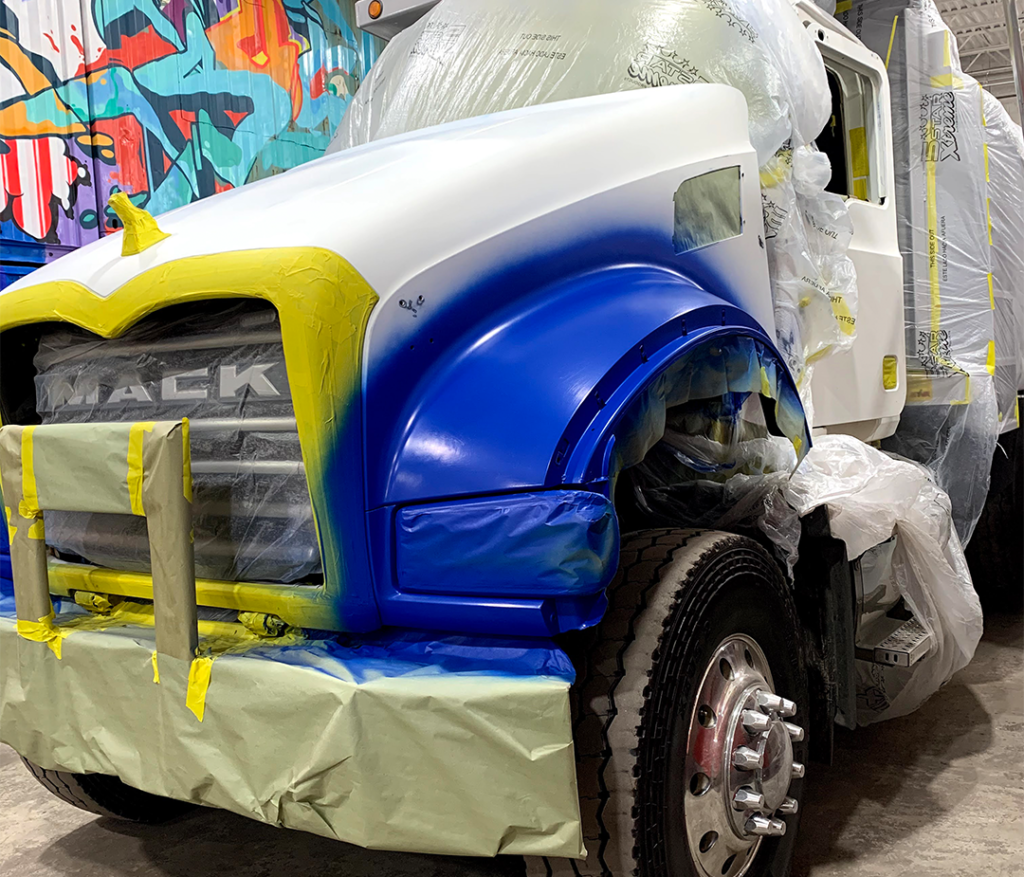
Traditional dent repair involves bodywork techniques such as sanding, applying filler, priming, painting, and refinishing damaged panels. This method is required when dents are severe or when the paint surface has been compromised.
Understanding Paintless Dent Repair
How PDR Works
During the PDR process, technicians gain access behind the damaged panel and carefully manipulate the metal until the dent disappears. Since no paint or filler is used, the vehicle’s original finish remains intact.
Best Situations for Paintless Dent Repair
PDR works best for:
- Small dents
- Door dings
- Hail damage
- Minor creases
- Damage with intact paint
- Shallow dents without stretched metal
Many vehicle owners prefer PDR because it maintains the factory finish and can often be completed more quickly than traditional repairs.
Understanding Traditional Dent Repair
How Traditional Repair Works
Traditional repair involves:
- Damage assessment
- Sanding damaged areas
- Applying body filler
- Priming the repair
- Color matching
- Painting and refinishing
- Final inspection
This process restores heavily damaged panels and ensures structural and cosmetic integrity.
When Traditional Repair Is Necessary
Traditional repair is often recommended when:
- Paint is chipped or cracked
- Dents are deep
- Metal is stretched
- Sharp creases exist
- Structural damage is present
- Collision damage affects multiple panels
Paintless Dent Repair vs Traditional Repair Comparison
| Feature | Paintless Dent Repair | Traditional Repair |
|---|---|---|
| Preserves Factory Paint | Yes | No |
| Uses Filler | No | Yes |
| Requires Repainting | No | Yes |
| Repair Time | Usually Faster | Usually Longer |
| Best for Minor Dents | Yes | Sometimes |
| Best for Major Damage | No | Yes |
| Cost | Generally Lower | Generally Higher |
| Maintains Original Finish | Yes | Partial |
Which Repair Method Saves More Money?
For minor dents, Paintless Dent Repair is usually the more affordable option because it eliminates the need for:
- Paint materials
- Body filler
- Extensive labor
- Paint booth time
Traditional repairs require more labor and materials, increasing overall repair costs. However, attempting PDR on damage that truly requires conventional repair may lead to unsatisfactory results.
Which Option Produces Better Results?
The answer depends on the type of damage.
PDR Often Produces Better Results When:
- Paint remains intact.
- Dents are shallow.
- Damage is isolated.
Because factory paint remains untouched, the repair can be virtually undetectable.
Traditional Repair Produces Better Results When:
- Paint damage exists.
- Panels are severely deformed.
- Structural repairs are needed.
A professional body shop can restore both appearance and structural integrity using traditional repair methods.
How Vehicle Resale Value Is Affected
Maintaining original factory paint is important to many buyers.
PDR may help preserve:
- Vehicle appearance
- Original finish
- Corrosion protection
- Resale value
Because no repainting occurs, many vehicle owners view PDR as the preferred cosmetic repair option when applicable.
Common Situations That Require Each Method
Ideal for Paintless Dent Repair
- Shopping cart dents
- Parking lot dings
- Minor hail damage
- Small body panel dents
Ideal for Traditional Repair
- Accident damage
- Cracked paint
- Large dents
- Deep body creases
- Structural panel damage
Common Mistakes Vehicle Owners Make
Waiting Too Long for Repairs
Even minor damage can worsen over time if left untreated.
Choosing Based on Price Alone
The cheapest repair option isn’t always the best solution.
Attempting DIY Dent Removal
Internet hacks and DIY dent kits often create additional damage and increase repair costs.
Ignoring Paint Damage
Once paint is cracked, corrosion can begin if repairs are delayed.
Expert Tips from Auto Body Professionals
Get Damage Evaluated Quickly
The sooner damage is assessed, the more repair options may be available.
Preserve Factory Paint Whenever Possible
Factory paint generally provides the best finish and long-term durability.
Work with Experienced Collision Repair Specialists
Professional evaluation ensures the most effective repair method is selected.
Consider Long-Term Vehicle Value
A properly repaired vehicle retains better appearance and market value.
Frequently Asked Questions
Is Paintless Dent Repair better than traditional repair?
PDR is better for minor dents with intact paint, while traditional repair is necessary for larger or more severe damage.
Can every dent be repaired with PDR?
No. Deep dents, sharp creases, and paint damage may require conventional body repair.
Does PDR damage factory paint?
No. PDR is specifically designed to preserve the original finish when conditions allow.
How long does Paintless Dent Repair take?
Many repairs can be completed within a day, depending on the extent of the damage.
Is PDR less expensive?
In many cases, yes, because fewer materials and less labor are required.
Does insurance cover PDR?
Many insurance policies cover PDR when it is the appropriate repair method.
Will a repaired dent affect vehicle value?
Professional repairs generally help maintain value compared to leaving visible damage unrepaired.
What if my paint is cracked?
Traditional repair is usually recommended when paint damage is present.
Can hail damage be repaired with PDR?
Yes. PDR is one of the most common solutions for hail damage.
How do I know which repair method I need?
A professional inspection is the best way to determine the proper repair solution.
Why Choose Fast Action Body Repair?
Fast Action Body Repair understands that every dent and collision repair situation is unique. Our experienced technicians carefully evaluate each vehicle to determine whether Paintless Dent Repair or traditional body repair will provide the best outcome.
We focus on:
- High-quality workmanship
- Honest repair recommendations
- Fast turnaround times
- Advanced repair techniques
- Customer satisfaction
- Restoring vehicles to pre-accident condition
Whether your vehicle has minor dents, hail damage, or collision-related body damage, our team can recommend the most effective repair solution.
Contact us
Not sure whether your vehicle needs Paintless Dent Repair or traditional body repair?
Contact Fast Action Body Repair today for a professional damage assessment.
Our experienced technicians will inspect your vehicle, explain your options, and recommend the most cost-effective repair solution to restore your vehicle’s appearance and value.