



New Trends to Follow in New York Truck Maintenance

New York truck maintenance has grown a lot lately. There are several new trends and technology that have entered the scene and are making fleet managers very happy campers. In this article, we will review some of the latest trends and expedient technology that has introduced to the fleet industry. We will be focusing more on the preservation advancements that are being adapted to make trucks run more efficiently. Outsourcing New York truck maintenance parts Today, the cost of the parts is increasing like crazy! Consequently, the best way to decrease the added expense is by outsourcing certain parts. This has become a trend in the fleet industry. Now, many fleet managers are outsourcing half of the needed parts for repairing a truck in New York from different companies. This is to stay within budget and improve cash flow management. Outsourcing will not only cut costs but you will also get a better build quality of the products. Therefore, people are already using the outsourcing trend to make things easier and faster. Location mapping You can call it the latest trend or you can also call it an update. For the past many years, there are GPS trackers and similar gadgets installed in the truck to track the driver’s location. Now, there are a few more cool tech devices that are enhancing the truck driving experience. The location mapping will allow you to where your entire fleet is located on one single screen. Additionally, the New York Fleet Managers would be able to track the trucks faster than ever before. Tracking systems are not a new concept; however, location mapping has been upgraded and has proven to be better than the existing technology that was already being used by most fleets. As industry decision makers began applying what they learned at trade show to their brands, there was a vast improvement in operations across the country. The impact on trucks Being that the New York truck maintenance scene has changed a lot, there is an impact on trucks too. Now, the trucks have been updated a lot. There aren’t many changes in the size of the truck or the overall look but there are many changes done from the inside. For example, now the trucks follow more safety precautions then it used to do before. Every driver wants to drive a safe truck. It makes their work easier. Along with the safety of the truck, there are several other things. The truck drivers no longer need to maintain all the records. Now, they are directly uploaded to the cloud right from the truck. And! Some of the changes in the truck’s technology allow them to perform all the truck’s operation easier. The updated add-ons in the truck will also help fleet managers in New York save on costs. Final words To conclude, we can say there have been numerous changes in New York truck maintenance. Although, most of the changes are easier to adapt there are still some of the changes which take time. Some truck drivers were facing problems in learning about new technology. Which is why it is wise for fleet managers in New York to ensure proper training so that truck drivers know how to use the installed tech tools properly and effectively. Information is the key element of any new thing. So, truck drivers need to be educated to understand the new trends and technology in the fleet industry. Once they’ve been trained, they will find that the added ease to their daily operations was worth every minute of training. If you’re looking for a trusted truck repair company in New York with a fast turnaround time, Fast Action Body Repair is who you should contact today!
6 Tips to Improve Fleet Management in New York
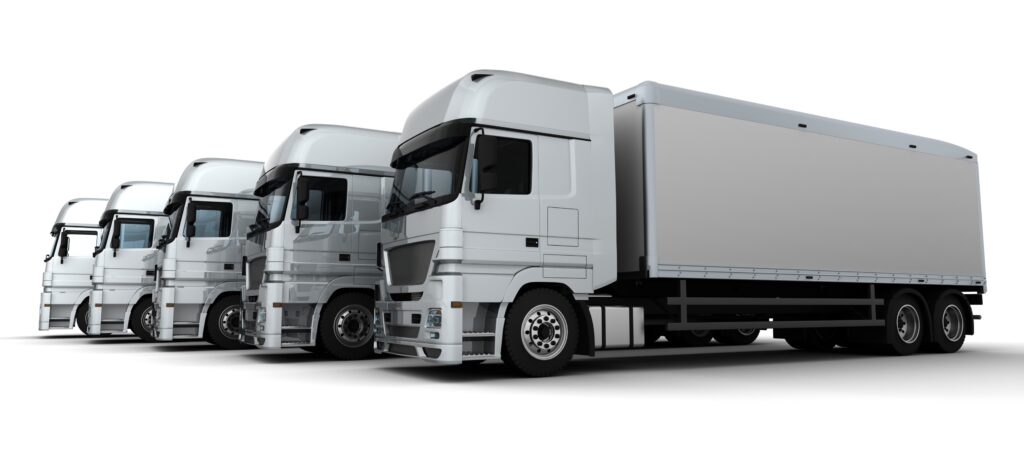
Fleet Management in New York can be hard to handle. There are costs to control, trucks to repair and paint, and employees to keep safe and on-task. This creates little room for error. For fleet managers to remain on budget and keep their operation rolling they need to make their fleet more efficient. Regularly addressing maintenance problems, managing costs of tire and fuel, lowering paperwork, and making use of new technology can help make fleet management in New York more effective. Fleet maintenance schedule ensures that your services are in accordance with federal, state, and local laws. The roles and challenges of an operations manager seem endless, and a fleet management system can surely help make those tasks easier. Even though having a fleet management solution doesn’t ensure that your daily operations will suddenly take less time than before, choosing the most effective fleet management system that is also the right fit for your business is more important. Whether you handle a delivery business, or work in the industry of field service, managing your fleet is important for success to ensure you are keeping up with the needs and desires of your clients. Technology, information, and connectivity are coming together to create a belief in people that they can have what they want, when, where, and how they want it. 6 Tips to Improve Fleet Management in New York To continue keeping up with the high demands of your customers, you need to have proper fleet management in New York. It demands business owners to plan and optimize routes taken by their vehicles, make changes at quick notice, track your vehicles and drivers, all while maintaining customer satisfaction. Below are tips to help fleet managers increase effectiveness and increase customer satisfaction while saving both time and money. 1. Have better route planning Route optimization software can show you daily processes. It gets rid of the need to manually plan routes and can provide quick ROI for a business (greater than 30 percent). In addition to better planning your routes, it has additional benefits such as: Automated data reporting that gives details about the performance of a fleet, making it possible for you to make better decisions based on those metrics. Extended lifetime of your trucks and cheaper fuel costs by implementing better routes and lowering idling time. It saves office time because you will have the chance to plan in a short time, rather than in hours, and focus on other tasks. To better comprehend the significance of investing in routing technology, it is important to understand just how much manual planning is costing fleet management in New York. Take time to consider the following projects that are wasting valuable time that could be invested elsewhere: Dealing with lengthy paperwork and files that could contain a lot of human error, such as, filling out paperwork manually, creating vital reports, typing addresses into a navigation system, or answering calls from the office Inability to properly manage requests or change routes in real-time (such as when there’s traffic, road closures, or on-demand requests) Lack of visibility into the location of your driver, making it hard to manage your day and nearly impossible to give customers dependable updates 2. Embrace Telematics Fleet operations are benefiting from technology. Advances in telematics and GPS tracking provide more insight into the exact locations of your fleet, behavior of drivers, and general vehicle performance. Telematics can also assist managers identify bad driving behaviors such as speeding, quick accelerating or braking, and idling. It also helps business owners identify road or traffic conditions to make it possible for drivers to be rerouted. This can help you not only improve driver safety and at the same time, cut down on fuel expenses. This technology can also send alerts to fleet managers and drivers regarding potential issues with the vehicle. The technology can detect urgent issues, or identify problems that should be fixed during the next scheduled preventative maintenance service. 3. Move towards paperless modules Why should you have more paperwork than needed? Filling out paper forms takes time and it creates room for mistakes. What happens if a technician incorrectly records his or her hours? What if a document gets missing? Going paperless and rather gaining access to data through a software solution will help improve the efficiency of the operation of your business. Fleet management in New York can allow technicians to automatically allocate time to particular projects and have access to vital information regarding vehicles and equipment. Instead of looking for paperwork that has warranty information or vehicle history, a manager can access it through the software. The technician can record all details from the services carried out in real-time, making sure he or she does not forget to enter vital information later. 4. Analyze information to improve fleet performance The best method of improving the performance of your fleet is to analyze data and detect where you are succeeding and where there is room for improvement. Using routing software with a large analytics dashboard will give you an idea of important metrics and allow you to make better decisions that will greatly improve the performance of your fleet. You’ll also be able to know which members of your team are not abiding by the plan, missing time-windows, or might require additional coaching and training: Use of the current resources of your fleet including average daily vehicles, vehicle usage by the load, planned distances, and unplanned time window violations Make changes to the execution of your routes and get a detailed look at time spent at other locations, route deviations, unplanned idle time, and delays Carefully monitor seasonality by looking back at how your fleet did during weekends or holidays to know if you were understaffed, if certain aspects resulted in problems, or if you need to adjust your plans 5. Take your fleet management systems mobile Whether you are in your office or on the go, making use of routing software with a mobile app
4 Truck Painting in NY Tips That Will Ease the Process

Truck Painting in NY is one of the most time-consuming and costly projects to undertake on your vehicle. By the end of this article you’ll know if you can paint it yourself or you should have it painted by a professional. Paint and bodywork have long been seen as an art more than a mechanical undertaking. A good truck painting in NY job is surely the result of many hours spent welding, sanding, and preparing the body for paint. Rather than the popular misconception that a paint job is a single step process, painting a vehicle is a process that involves various steps that lead to the real painting of the truck. Being a good painter needs a lot of patience and some amount of perfectionism because that new, glossy paint job will show the slightest blemish underneath. When it comes to truck painting in NY, any automotive professional will tell you the same thing: it all goes down to the preparation. Whether you’re repairing a chip or re-spraying the entire truck, preparing the paintwork is just as important as applying the paint, and plays an important part in the quality of the final result. To help you prepare like a professional, we’ll guide you through some vital ideas on cutting, sanding, priming, and picking the right paint for your truck, with insider ideas to give your truck a truly professional finish. 4 Truck Painting in NY Tips That Will Ease the Process Step 1: Remove the rust The first thing to do to get a great looking paint job that will last for a long time is to have a solid, rust-free foundation to work from. Rust is a popular term for the process of steel oxidizing and is usually caused by unprotected metal being exposed to liquid or liquid-vapor. Adding salt to the process, as in salty roads in the beach or winter driving in the summer, only extends the process and can quickly turn sheet metal into an ugly, flaking, rusty mess. The worst problem of rust is that once the oxidation process has begun it is very difficult to stop. Even taking away the source of the moisture won’t stop the metal from rusting in a self-destructive way, so, the only decision is to completely get rid of the rust or to stop the process of oxidation chemically. Either way, the rust has to be completely removed or treated or it will return under the paint, leading to unsightly bubbling. The best method to make sure that rust won’t return is to get rid of it from the truck. This can be accomplished by removing the metal just in the rusty area and welding in areas, but extreme cases may need you to replace the whole panel. While doors and fenders are easily replaced by bolting on the new parts, quarter panels and door skins are harder and need special tools like a welder, clamps, spot weld cutter, grinder, and cut-off wheels. Whether getting rid of the metal because of a collision or due to rust, the methods are the same. Cut out the destroyed part, fabricate or buy a patch panel, fit the panel, and weld it in together. The welding process can be a trick in itself because the heat made in thin, sheet metal panels can result in distortion, causing more time spent to straighten the welded-in panels. Coating the panel with a heat-absorbing compound and stitch welding (welding short segments gradually) the panel are two ways to keep the panel from warping while being welded together. More concern about welding is that moisture can be trapped inside any area of porosity, causing more rust issues. Priming the metal in a weld-through primer and sandblasting the area after being welded are two ways to making sure the area won’t rust in the future. Most places of light surface rust don’t need metal replacement and can be chemically treated with a liquid rust inhibitor. Rust inhibitors are found in gel form, such as naval jelly. No matter the brand, all rust inhibitors function in the same manner. Their main ingredient is phosphoric acid, which converts iron oxide (active rust) into iron phosphate, chemically preventing the oxidation process. Parts can be dipped in rust inhibitor, but the more common method is to spray liquid inhibitor on the part from a spray bottle. Depending on the severity of the rust, it can take from two to twelve hours for the phosphoric acid to convert the rust to iron phosphate, which is black. Have it in mind that this process is only effective in areas of surface rust that are not flaking or rusted through. Those areas should be cut out and replaced. It is not until all the rust of the car has either been cleaned and replaced with new metal or treated with a rust inhibitor, that we can call the first step in the painting process complete. Now we have a solid foundation to build on, we can start straightening and filling warped panels and correcting other imperfections. Step 2: Straighten the panels Getting the panels straight is probably the most time-consuming process of automotive bodywork. Most cars have all new metal with no filler, which is why it’s so straight. But nearly all panels need some filler to be made straight. Although some panels may be straightened with a hammer and dolly, others need filler to be perfect. It takes many hours of spreading body filler, sanding, and repeating the process to make sure a panel’s straightness, and, again, some specialty products and tools are needed. First, it is necessary to make use of quality body filler. Cheap body filler may fill the voids and imperfections of the panels of the car, but it will not last as long as quality fillers. Another advantage of quality filler is that it is normally easier to sand than its cheaper counterpart, needing less time to carry out the truck painting in NY job. Step