



What Is the Auto Body Repair Process? From Estimate to Final Inspection
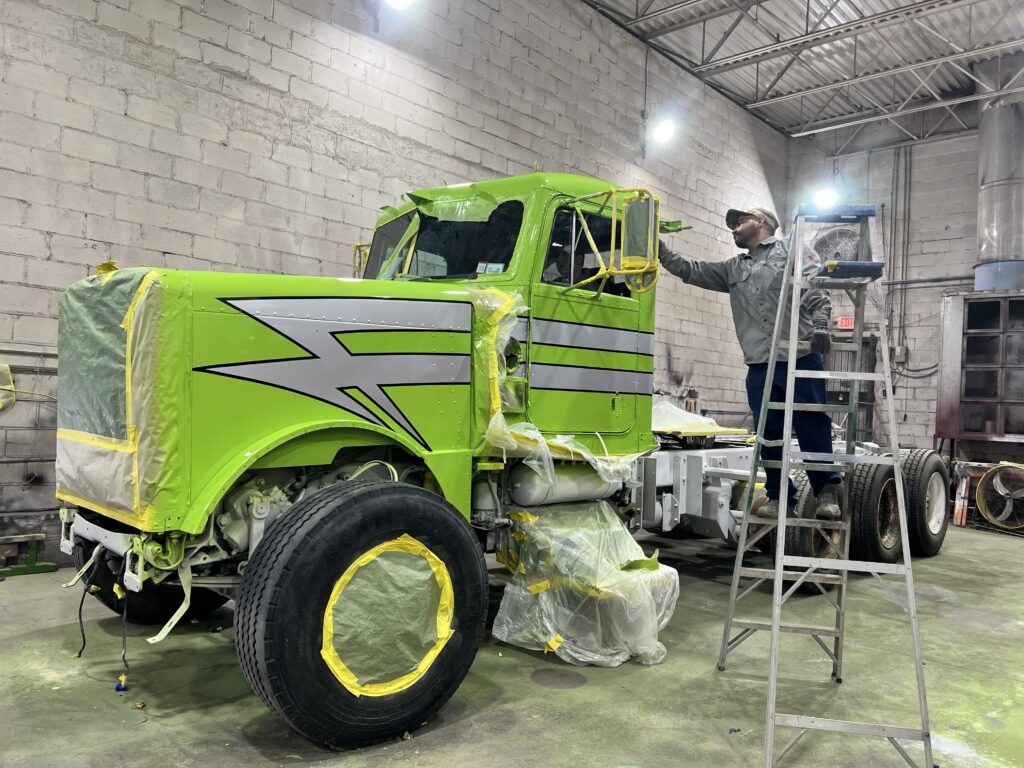
The auto body repair process typically begins with an inspection and repair estimate, followed by damage assessment, parts or materials planning, structural and body repairs, surface preparation, painting or refinishing, reassembly, and a final quality inspection. For heavy-duty trucks and trailers, the process can also involve frame repair, welding, fiberglass work, roof or body repairs, and functional testing before the vehicle returns to service. Key Facts What Is the Auto Body Repair Process? The auto body repair process is the series of steps a professional repair facility follows to inspect, restore, refinish, and verify a damaged vehicle or commercial truck. Although every repair is different, the basic process follows a logical sequence: inspect the damage, develop a repair plan, perform structural and body repairs, refinish the affected areas, reassemble the vehicle, and complete a final inspection. For commercial trucks, trailers, dump trucks, emergency vehicles, tankers, and other heavy-duty equipment, the process can be more extensive than a typical passenger vehicle repair. Damage may affect frames, body panels, roofs, doors, fiberglass components, paint systems, wiring, or other equipment. Fast Action Body Repair specializes in heavy-duty truck bodywork, collision repair, painting, restoration, trailer repair, frame work, fiberglass repair, welding, and related services in the New York City area. Step 1: Initial Inspection and Damage Assessment The first step is determining exactly what needs to be repaired. A professional technician examines the vehicle for visible damage and looks for problems that may not be obvious at first glance. Depending on the vehicle and accident, the inspection can include: This step matters because repairing only the most obvious damage can leave underlying problems unresolved. For heavy-duty vehicles, the inspection may need to account for how the truck is used. A dump truck exposed to gravel and heavy loads, for example, can experience different forms of wear than a fleet vehicle used primarily for highway transportation. Fast Action Body Repair’s dump truck restoration process includes evaluating the bed, frame, tires, rust, wear, and other damaged areas before beginning restoration work. Step 2: Creating the Repair Estimate After the inspection, the repair shop can determine what work is required and develop an estimate. The estimate may account for: The final cost and timeline can change if additional damage is discovered after the repair begins. For example, a damaged exterior panel may initially appear to require a simple repair. Once the panel is removed, technicians may discover corrosion, weakened metal, or damage to a supporting structure. That is one reason a professional inspection is more valuable than estimating repair needs from photographs alone. Step 3: Developing the Repair Plan Once the damage has been evaluated, the repair team determines the appropriate sequence of work. The order matters. Structural problems should generally be addressed before cosmetic work. There is little value in applying a fresh paint finish if the underlying metal still needs significant repair. A repair plan may include: The exact sequence varies according to the vehicle and damage. Step 4: Removing Damaged Components Some repairs cannot be completed properly while every component remains installed. Technicians may remove damaged or obstructing parts to gain access to the affected area. Depending on the vehicle, this could include: Removing components allows technicians to inspect areas that would otherwise remain hidden. Fast Action Body Repair describes this approach in its trailer repair process, where components may be detached to provide complete access before structural and body repairs begin. Step 5: Structural and Body Repairs This is often the most important stage of the repair. Depending on the vehicle, technicians may repair or replace damaged metal, structural components, body panels, frames, or other sections. Frame Repair A damaged truck frame should not be treated as a cosmetic issue. The frame contributes to the vehicle’s structural integrity and supports major components. Corrosion, impact damage, distortion, or weakened metal can require specialized attention. Fast Action Body Repair offers truck frame restoration and repair services and addresses issues including rust and deterioration affecting truck chassis components. Welding and Fabrication Some heavy-duty repairs require welding or fabrication rather than simple panel replacement. Fabrication may be necessary when a damaged component needs to be repaired, reinforced, modified, or reconstructed. The appropriate approach depends on the material, location, extent of damage, and intended use of the vehicle. Fiberglass Repair Commercial vehicles may also contain fiberglass body components. Cracks, impact damage, deterioration, and other fiberglass problems require different repair techniques from conventional steel bodywork. Fast Action Body Repair provides fiberglass restoration services as part of its broader heavy-duty repair capabilities. Step 6: Rust and Corrosion Treatment Rust can be more than an appearance problem. When corrosion continues unchecked, it can weaken metal and create larger repair requirements. Addressing rust during a restoration project can help protect repaired areas from continued deterioration. Depending on the condition of the surface, the repair process may involve: Fast Action Body Repair describes sanding, blasting, rust inhibitors, and protective coatings as part of its heavy-duty restoration work. Step 7: Surface Preparation Before paint is applied, the surface needs to be properly prepared. This is one of the most important parts of achieving a durable finish. Surface preparation can involve: Poor preparation can affect paint adhesion and the appearance of the finished vehicle. For commercial trucks, the right preparation also needs to account for how the vehicle will be used. Work trucks may encounter road debris, weather, UV exposure, gravel, dirt, and repeated loading or unloading. Step 8: Painting and Refinishing Once the repaired surface has been properly prepared, the affected area can be refinished. The appropriate paint system depends on the vehicle, component, desired appearance, durability requirements, and budget. Fast Action Body Repair explains that different truck components can benefit from different paint approaches. For example, it describes base coat and clear coat systems for areas such as truck cabs where a polished appearance is important, while single-stage enamel can be appropriate for utilitarian components requiring durability. A professional refinishing process may include: The objective isn’t simply to make the damaged area