
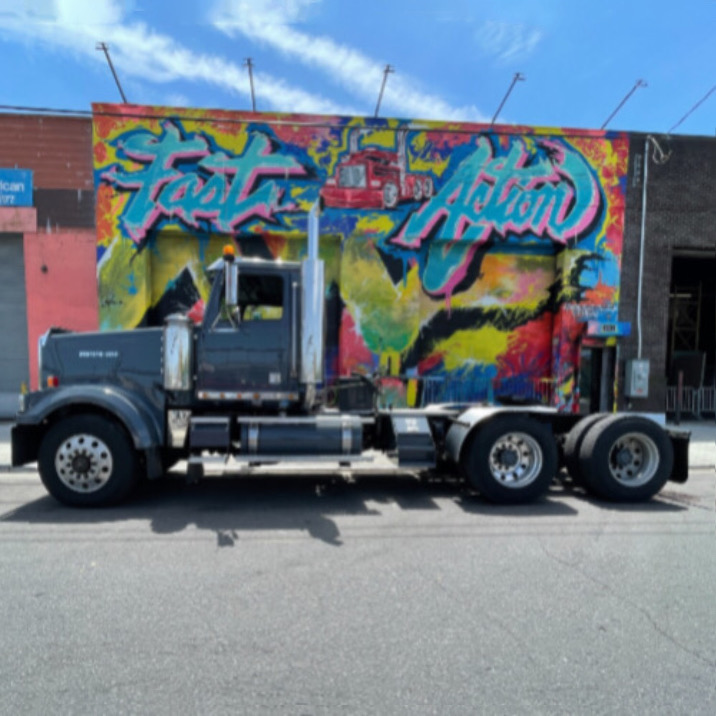
If you’re involved in a car accident in Far Rockaway, NY, your priorities should be staying safe, calling 911 if necessary, documenting the scene, exchanging information with the other driver, notifying your insurance company, and having your vehicle inspected by a trusted collision repair shop. Acting quickly helps protect your health, supports your insurance claim, and ensures your vehicle is repaired safely and correctly.
Key Facts
- Safety should always be your first priority after any collision.
- Take photos of vehicle damage, road conditions, and the accident scene before moving your car when it’s safe to do so.
- Exchange insurance and contact information with all involved drivers.
- Even minor accidents can cause hidden structural or mechanical damage.
- A professional collision inspection helps identify repairs that may not be visible.
- Working with an experienced local auto body shop can simplify the repair process.
- Promptly reporting the accident to your insurance provider can help avoid claim delays.
What to Do After a Car Accident?
Knowing what to do after a car accident means following a series of important steps that protect your safety, preserve evidence, and help you complete the insurance and vehicle repair process. Whether it’s a minor fender bender or a more serious collision, making informed decisions immediately after the accident can reduce stress and improve the outcome of your claim and repairs.
Why Having a Plan Matters
Car accidents happen unexpectedly, and it’s easy to feel overwhelmed in the moment. Having a clear plan allows you to stay calm, make informed decisions, and avoid mistakes that could complicate your insurance claim or delay repairs.
Drivers in Far Rockaway, NY, often travel busy roads with heavy traffic, changing weather conditions, and congested intersections. Even low-speed collisions can result in costly damage that isn’t immediately visible.
Understanding what to do after an accident helps you protect yourself, your passengers, and your vehicle.
Step 1: Make Safety Your First Priority
Immediately after the collision, check yourself and your passengers for injuries.
If anyone is injured:
- Call 911 immediately.
- Request emergency medical assistance.
- Do not move seriously injured individuals unless there is immediate danger.
If your vehicle is drivable and it’s safe to do so, move it out of traffic to reduce the risk of another accident.
Turn on your hazard lights and remain in a safe location while waiting for law enforcement or emergency responders.
Step 2: Contact Local Authorities
In New York, many accidents require a police report, particularly if someone is injured, there is significant property damage, or the vehicles cannot be safely driven away.
When speaking with responding officers:
- Provide accurate information.
- Stick to the facts.
- Avoid speculating about what caused the accident.
- Never admit fault at the scene.
A police report can become an important piece of documentation during the insurance claims process.
Step 3: Exchange Information
Exchange the following information with every driver involved:
- Full name
- Phone number
- Driver’s license number
- Insurance company
- Policy number
- Vehicle registration
- License plate number
If there are witnesses nearby, politely ask for their names and contact information as well.
Independent witness statements can be valuable if there is disagreement about how the accident occurred.
Step 4: Document the Accident Scene
One of the most important things you can do is collect evidence before leaving the scene.
Take clear photographs of:
- Vehicle damage from multiple angles
- License plates
- Road conditions
- Traffic signs
- Skid marks
- Debris
- Weather conditions
- Intersection layout
- Visible injuries (if appropriate)
Also make notes about:
- Time of day
- Traffic conditions
- Direction each vehicle was traveling
- Weather
- Anything unusual you observed
The more documentation you have, the easier it will be to support your insurance claim.
Step 5: Notify Your Insurance Company
Report the accident as soon as possible.
Provide:
- Date and time of the accident
- Police report number (if available)
- Photos
- Driver information
- Description of the accident
Your insurance representative will explain the next steps, including vehicle inspections, repair estimates, rental vehicle coverage, and claim processing.
Providing complete and accurate information can help prevent unnecessary delays.
Step 6: Arrange for Vehicle Towing if Necessary
If your vehicle cannot be safely driven, arrange for professional towing.
Avoid attempting to drive a vehicle that has:
- Steering problems
- Airbag deployment
- Fluid leaks
- Suspension damage
- Broken lights
- Damaged tires
- Severe bumper damage
Driving a damaged vehicle may worsen the damage or create additional safety risks.
Step 7: Schedule a Professional Collision Inspection
Not all accident damage is visible.
A seemingly minor impact can affect:
- Frame alignment
- Suspension components
- Wheel alignment
- Steering systems
- Sensors
- Safety systems
- ADAS features
- Hidden structural components
A professional inspection identifies these issues before they become larger—and more expensive—problems.
Common Types of Hidden Collision Damage
After an accident, many drivers only notice cosmetic damage. However, hidden damage often affects the vehicle’s safety and performance.
Examples include:
Frame Damage
Even slight frame misalignment can affect how your vehicle handles and responds in future collisions.
Suspension Damage
Bent suspension components may cause uneven tire wear, poor handling, or vibration while driving.
Electrical Problems
Modern vehicles contain dozens of electronic systems that can be affected by impact damage.
ADAS Calibration Issues
Features such as:
- Lane Departure Warning
- Automatic Emergency Braking
- Forward Collision Warning
- Adaptive Cruise Control
- Blind Spot Monitoring
may require recalibration after repairs.
Ignoring these systems could reduce their effectiveness when you need them most.
Step 8: Choose a Trusted Collision Repair Shop
Selecting the right auto body shop is one of the most important decisions you’ll make after an accident. While your insurance company may recommend a repair facility, you generally have the right to choose where your vehicle is repaired.
Look for a collision repair shop that offers:
- Experienced collision repair technicians
- High-quality replacement parts
- Modern repair equipment
- Accurate computerized estimates
- Paint color matching
- Structural frame repair capabilities
- Assistance with insurance claims
- Clear communication throughout the repair process
Working with an experienced local shop can help ensure your vehicle is restored to pre-accident condition safely and efficiently.
Step 9: Understand the Repair Process
Knowing what to expect during repairs can reduce stress and help you stay informed.
Initial Inspection
Technicians perform a detailed inspection to identify both visible and hidden damage.
Insurance Estimate
An estimate is prepared and submitted to your insurance provider if applicable.
Disassembly
Some damage is only discovered after damaged panels are removed.
Structural Repairs
If necessary, technicians repair or straighten the vehicle’s frame using specialized equipment.
Body Repairs
Damaged panels are repaired or replaced.
Paint and Refinishing
Professional paint matching restores the vehicle’s original appearance.
Reassembly
All repaired and replacement components are reinstalled.
Quality Inspection
The completed repairs are inspected to verify safety, appearance, and proper operation.
How Long Do Collision Repairs Take?
Repair times vary depending on:
- Severity of damage
- Parts availability
- Insurance approval
- Structural repairs
- Paint curing time
- ADAS recalibration requirements
Minor cosmetic repairs may take only a few days, while more extensive collision repairs can require several weeks.
Maintaining communication with your repair shop helps you stay informed throughout the process.
Why Prompt Repairs Matter
Delaying repairs after an accident can create additional problems.
Small issues often become larger and more expensive over time.
For example:
- Rust may develop on exposed metal.
- Misaligned suspension can wear out tires prematurely.
- Hidden structural damage may affect vehicle safety.
- Loose body panels can become hazardous.
- Damaged lighting reduces visibility.
Addressing repairs promptly helps maintain your vehicle’s safety, reliability, and value.
Comparison Table: DIY Damage Assessment vs. Professional Collision Inspection
| DIY Inspection | Professional Inspection |
|---|---|
| Identifies visible dents and scratches | Detects hidden structural damage |
| Limited knowledge of vehicle safety systems | Evaluates frame, suspension, and safety components |
| Cannot verify ADAS calibration | Checks advanced driver assistance systems |
| No specialized equipment | Uses computerized diagnostic tools |
| May overlook mechanical damage | Provides comprehensive repair recommendations |
| Helpful for documenting damage | Essential before beginning repairs |
Common Mistakes to Avoid After a Car Accident
Waiting Too Long to Report the Accident
Delays may complicate your insurance claim and slow the repair process.
Forgetting to Take Photos
Photographs provide valuable evidence for insurance claims and repair estimates.
Driving a Damaged Vehicle
Even if your car appears drivable, hidden damage can make it unsafe.
Accepting the First Estimate Without Questions
Ask your repair shop to explain the estimate and any recommended repairs.
Ignoring Warning Lights
Dashboard warning lights often indicate safety or mechanical issues that require immediate attention.
Skipping a Professional Inspection
Some of the most serious collision damage isn’t visible from the outside.
Expert Tips
- Keep an emergency kit in your vehicle with a flashlight, phone charger, first aid supplies, and reflective triangles.
- Store your insurance card and registration in an easily accessible location.
- Save photos and accident documentation in a dedicated folder on your phone.
- Have your vehicle inspected even after low-speed collisions.
- Choose a repair shop experienced with modern vehicle technology and advanced safety systems.
- Ask about repair warranties and the quality of replacement parts being used.
- Stay in communication with your repair facility throughout the repair process.
Frequently Asked Questions
What should I do immediately after a car accident?
Ensure everyone’s safety, call emergency services if necessary, document the accident, exchange information, and notify your insurance company.
Do I need a police report for a minor accident in New York?
Depending on the circumstances, a police report may be required or strongly recommended, especially if there are injuries or significant property damage.
Can hidden damage occur after a minor collision?
Yes. Frame, suspension, steering, and electronic systems can sustain damage even when exterior damage appears minimal.
How soon should I repair my vehicle?
Schedule an inspection as soon as possible to prevent additional damage and ensure your vehicle remains safe to drive.
Can I choose my own collision repair shop?
Yes. In most cases, you have the right to choose the repair facility that works on your vehicle.
Why is paint matching important?
Professional paint matching restores your vehicle’s appearance and helps preserve its resale value.
What if my airbags deployed?
Your vehicle should not be driven until it has been professionally inspected and repaired.
Will my insurance cover collision repairs?
Coverage depends on your insurance policy and the circumstances of the accident. Contact your insurance provider for specific information.
Why do newer vehicles require ADAS calibration?
Modern safety systems rely on precise sensor alignment. Calibration helps ensure these features function correctly after repairs.
How can I reduce stress after an accident?
Stay organized, document everything, communicate with your insurance company, and work with a trusted local collision repair shop that keeps you informed throughout the repair process.
Why Choose Fast Action Body Repair?
After a car accident, you need more than just a repair shop—you need a trusted team that understands how to restore your vehicle safely, efficiently, and professionally. Fast Action Body Repair has earned the trust of drivers throughout Far Rockaway, NY, by providing high-quality collision repair services with a strong commitment to customer satisfaction.
Our experienced technicians use modern repair techniques and professional equipment to repair vehicles of all makes and models. From minor dents and bumper repairs to major collision damage, we focus on restoring your vehicle’s appearance, structural integrity, and safety.
When you choose Fast Action Body Repair, you benefit from:
- Experienced collision repair professionals
- Comprehensive auto body repair services
- Precision paint matching and refinishing
- Frame straightening and structural repairs
- Insurance claim assistance
- Honest repair recommendations
- High-quality workmanship
- Friendly customer service
- Reliable turnaround times
- Local expertise serving Far Rockaway and surrounding communities
We understand that being involved in an accident is stressful. Our goal is to make the repair process as smooth and hassle-free as possible while delivering repairs you can trust.
Contact Us
If you’ve recently been involved in a car accident in Far Rockaway, NY, don’t leave your vehicle’s safety to chance. Whether your car has visible damage or you suspect hidden structural issues, the experienced team at Fast Action Body Repair is here to help.